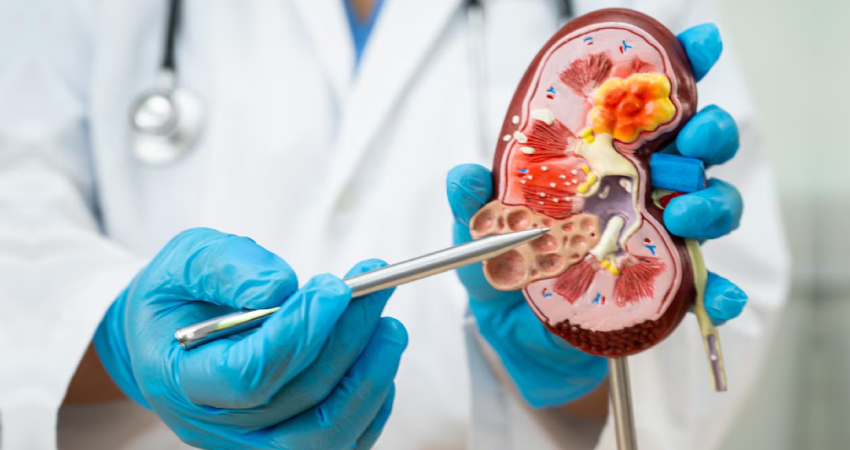
Nagarik Community Teaching Hospital provides specialist evaluation and treatment for kidney-related conditions through its Department of Nephrology in Gatthaghar, Bhaktapur. For people looking for a nephrology hospital in Nepal, a nephrology hospital in Kathmandu, or a kidney hospital in Kathmandu Valley, the department offers medical kidney care, ICU hemodialysis, renal biopsy, dialysis-access procedures, transplant evaluation and post-transplant follow-up.
Nagarik Hospital is physically located in Gatthaghar, Bhaktapur not central Kathmandu and is accessible to patients travelling from Bhaktapur, Kathmandu and other parts of Nepal. Care is planned according to symptoms, kidney function, medical history and test results. To confirm the nephrology OPD schedule, call +977-1-6637700 or request a nephrology appointment.
What Does the Nephrology Department Treat?
The department evaluates and manages chronic kidney disease, acute kidney injury, difficult-to-control blood pressure, protein or blood in urine, kidney-related fluid and electrolyte problems, glomerular disease, complications of advanced kidney disease and patients who may need dialysis or transplant-related care.
Its current service listing includes ICU hemodialysis, renal biopsy, dialysis catheter insertion, selected outpatient infusions, renal transplant work-up and follow-up, and AV fistula or CAPD access procedures.
What Is Nephrology?
Nephrology is the branch of medicine focused on the kidneys and health problems caused by reduced kidney function. A nephrologist assesses how well the kidneys filter blood, regulate fluid and mineral balance, support blood-pressure control and contribute to red-blood-cell and bone health.
Kidney disease can develop suddenly, as in acute kidney injury, or progress over months and years, as in chronic kidney disease. Early stages may cause no obvious symptoms.
People with diabetes, high blood pressure, heart disease, a family history of kidney failure, repeated kidney stones or abnormal urine and creatinine results may benefit from timely kidney assessment.
The World Health Organization estimates that approximately 674 million people worldwide live with chronic kidney disease, with most living in low- and middle-income countries. A nationally representative study reported an overall CKD prevalence of approximately 6% in Nepal. These figures underline the importance of early detection and effective risk-factor control.
When Should You See a Kidney Specialist?
A doctor may recommend nephrology review when blood or urine testing suggests reduced kidney function or kidney damage.
Consider a kidney evaluation if you have:
- Rising serum creatinine or an eGFR below the expected range
- Protein, albumin or persistent blood in urine
- Swelling of the feet, ankles, legs or face
- Reduced urine output or a major change in urination
- Repeated electrolyte abnormalities, including high potassium or low sodium
- High blood pressure that remains difficult to control
- Diabetes with signs of kidney involvement
- Recurrent kidney stones or suspected metabolic stone disease
- A family history of inherited kidney disease
- An autoimmune disease that may affect the kidneys
- Previous acute kidney injury or prolonged critical illness
- A need for dialysis, transplant evaluation or post-transplant follow-up
A single abnormal result does not always mean chronic kidney disease. Dehydration, infection, medicines, intense exercise and acute illness can temporarily change kidney test results.
Your doctor may repeat the tests, compare them with earlier reports and assess the complete clinical picture before confirming a diagnosis.
Kidney Conditions Managed by the Nephrology Team
Chronic Kidney Disease
Chronic kidney disease, commonly called CKD, means an abnormality of kidney structure or function that has been present for at least three months and has implications for health.
CKD is classified according to its cause, estimated glomerular filtration rate and the amount of albumin in urine.
Treatment may include:
- Blood-pressure and blood-sugar control
- Review and adjustment of medicines
- Management of anemia
- Treatment of mineral and bone abnormalities
- Individualized nutrition guidance
- Monitoring for disease progression
- Preparation for dialysis or transplantation when necessary
The purpose of treatment is not limited to improving a laboratory number. It is also intended to protect remaining kidney function, reduce cardiovascular risk, manage symptoms and prevent complications.
Acute Kidney Injury
Acute kidney injury is a sudden decline in kidney function over hours or days.
Possible causes include:
- Severe dehydration
- Serious infection
- Low blood pressure
- Urinary obstruction
- Critical illness
- Surgery
- Certain medicines or toxins
- Severe heart or liver disease
Some cases improve when the cause is identified and treated promptly. More severe cases may require hospital admission, close monitoring or temporary dialysis.
Follow-up may still be needed after apparent recovery because kidney function does not always return completely to its previous level.
Diabetic Kidney Disease and Hypertension
Diabetes can gradually damage the kidneys’ filtering units. High blood pressure can cause kidney damage and may also develop or worsen because of kidney disease.
Early diabetic kidney disease may be detected through urine albumin and eGFR testing before noticeable symptoms occur.
Patients may receive coordinated care from the Endocrinology & Metabolism Department and the Internal Medicine Department when diabetes, hypertension or other chronic conditions need to be managed alongside kidney disease.
Treatment targets must be individualized. Patients should not start, stop or change diabetes or blood-pressure medicines without medical advice, especially when kidney function or potassium levels are abnormal.
Glomerular and Autoimmune Kidney Disease
The glomeruli are tiny filtering structures inside the kidneys. Inflammation or immune-related injury to these structures can lead to:
- Protein in urine
- Blood in urine
- Swelling
- High blood pressure
- Reduced kidney function
Evaluation may include blood testing, urine testing, imaging and renal biopsy.
Depending on the diagnosis, treatment may involve corticosteroids, cyclophosphamide or other immunosuppressive medicines. These treatments require careful selection, monitoring and follow-up because they can have significant side effects.
Electrolyte, Fluid and Acid–Base Disorders
The kidneys help regulate sodium, potassium, bicarbonate and the amount of fluid in the body.
Kidney dysfunction may cause:
- Fluid retention and swelling
- Dehydration
- High potassium
- Low sodium
- Acid–base imbalance
- Changes in blood pressure
These problems can range from mild to life-threatening. Treatment is based on the cause, severity, symptoms, heart rhythm, medicines and overall health, not on one laboratory result alone.
Advanced Kidney Disease and Kidney Failure
Advanced CKD may cause:
- Tiredness or weakness
- Reduced appetite
- Nausea or vomiting
- Persistent itching
- Swelling
- Shortness of breath
- Anemia
- Muscle cramps
- Bone and mineral problems
Kidney failure may require hemodialysis, peritoneal dialysis, kidney transplantation or, for selected patients, comprehensive conservative kidney care.
Planning before an emergency gives patients and families time to understand the available options, prepare appropriate dialysis access and complete transplant evaluation where suitable.
Nephrology Services Available at Nagarik Hospital
The current Department of Nephrology page lists the following services. Availability, timing and suitability depend on the patient’s clinical assessment.
Nephrology Consultation and Follow-up
A nephrology consultation may include:
- Review of symptoms and medical history
- Physical examination
- Blood-pressure assessment
- Fluid-status evaluation
- Medicine and supplement review
- Interpretation of blood and urine reports
- Review of ultrasound or other imaging
- Planning of additional investigations
- Long-term monitoring
The frequency of follow-up depends on the diagnosis, kidney-disease stage, stability of results and risk of progression.
ICU Hemodialysis Facility
Critically ill patients may develop severe kidney dysfunction, fluid overload, dangerous electrolyte abnormalities or accumulation of waste products.
Nagarik Hospital lists an ICU hemodialysis facility for patients who require dialysis while receiving critical care.
The decision to begin dialysis is based on the patient’s overall clinical condition. It is not made from creatinine or eGFR alone.
Renal Biopsy
A renal biopsy obtains a small sample of kidney tissue for microscopic examination.
It may be recommended when blood and urine tests cannot fully explain the cause of kidney disease, particularly in suspected glomerular, autoimmune or unexplained kidney disorders.
Before biopsy, the clinical team normally reviews:
- Blood pressure
- Bleeding risk
- Blood-clotting results
- Current medicines
- Imaging findings
- Relevant laboratory reports
The doctor should explain why the biopsy is recommended, what information it may provide, possible risks and the required aftercare before consent is taken.
Dialysis Catheter, AV Fistula and CAPD Access
A dialysis catheter may be required when hemodialysis needs to begin before permanent access is ready or when another form of access is not suitable.
An arteriovenous fistula, or AV fistula, is created to provide blood-vessel access for longer-term hemodialysis.
Continuous ambulatory peritoneal dialysis, or CAPD, uses the lining of the abdomen as a filter and requires a peritoneal dialysis catheter.
Nagarik Hospital’s department page lists dialysis catheter insertion and AVF/CAPD insertion. The appropriate access depends on treatment urgency, infection risk, vascular condition, expected treatment duration, lifestyle and patient preference.
Outpatient Infusion and Injection Support
The department lists vaccination, intravenous iron and intravenous cyclophosphamide on an outpatient basis.
These treatments are provided only when clinically indicated, prescribed and monitored by the responsible medical team.
IV iron may be considered for selected patients with iron deficiency or kidney-related anemia. Cyclophosphamide is an immunosuppressive medicine used for certain serious immune-mediated conditions and requires specialist supervision.
Kidney Transplant Work-up and Post-transplant Follow-up
Kidney transplant work-up evaluates whether transplantation may be suitable and identifies medical concerns that should be addressed before surgery.
Evaluation may involve:
- Blood and urine testing
- Infection screening
- Imaging
- Heart assessment
- Medicine review
- Compatibility testing
- Coordination with surgical or transplant services
Post-transplant follow-up includes monitoring kidney function, anti-rejection medicines, blood pressure, infection risk and other possible complications.
Patients should take immunosuppressive medicines exactly as prescribed and report fever, reduced urine output, vomiting or other concerning symptoms promptly.
How Are Kidney Problems Diagnosed?
Kidney evaluation normally combines medical history, physical examination, blood tests, urine tests and imaging. Not every patient requires every investigation.
| Test or assessment | What it helps evaluate |
|---|---|
| Serum creatinine and eGFR | How effectively the kidneys are filtering blood |
| Urine albumin-to-creatinine ratio | Albumin leakage that may indicate kidney damage |
| Routine urine examination | Blood, protein, infection and other abnormalities |
| Electrolytes and bicarbonate | Potassium, sodium and acid–base balance |
| Complete blood count | Anemia, infection and other blood abnormalities |
| Calcium, phosphate and related tests | Bone and mineral complications of CKD |
| Kidney and urinary-tract ultrasound | Kidney size, structure, cysts, stones or obstruction |
| Renal biopsy | Microscopic diagnosis when the cause remains uncertain |
| Blood-pressure monitoring | Hypertension severity and response to treatment |
| Immune or infection tests | Possible autoimmune, inflammatory or infectious causes |
Blood testing for creatinine and eGFR helps estimate kidney filtration. Urine albumin testing helps detect kidney damage that may be present even when filtration remains relatively preserved.
Nagarik Hospital’s Pathology Department supports blood, urine, clinical biochemistry, hematology and histopathology testing.
The Radiology Department lists ultrasonography and interventional radiology services. Patients may also use the hospital’s online laboratory report service where applicable.
Understanding eGFR and CKD Stages
KDIGO classifies kidney function into GFR categories. eGFR is an estimate and should be interpreted alongside urine albumin, other markers of kidney damage, age, medical history and repeat testing.
| GFR category | eGFR in mL/min/1.73 m² | General description |
| G1 | 90 or higher | Normal or high filtration |
| G2 | 60–89 | Mildly decreased |
| G3a | 45–59 | Mildly to moderately decreased |
| G3b | 30–44 | Moderately to severely decreased |
| G4 | 15–29 | Severely decreased |
| G5 | Below 15 | Kidney failure |
G1 or G2 alone does not confirm CKD unless another marker of kidney damage is present.
Chronic kidney disease generally requires evidence that abnormalities have lasted for at least three months. A sudden reduction in eGFR may indicate acute kidney injury and requires timely medical evaluation.
Urine albumin is also categorized as A1, A2 or A3. Higher albumin levels generally indicate greater kidney and cardiovascular risk.
However, fever, intense exercise, urinary infection and uncontrolled blood pressure may temporarily affect urine albumin. Repeat testing may therefore be necessary.
Nephrologist or Urologist: Which Doctor Do You Need?
Nephrologists and urologists both care for parts of the urinary system, but their roles are different.
| Nephrology | Urology |
| Medical management of kidney function and kidney disease | Surgical and structural conditions of the urinary tract |
| CKD, acute kidney injury, electrolyte disorders and difficult hypertension | Urinary obstruction, many kidney stones, prostate disease and urinary surgery |
| Dialysis planning and transplant medical follow-up | Stone procedures, urinary surgery and transplant surgery in relevant settings |
| Protein in urine, glomerular disease and kidney-related anemia | Anatomical problems involving kidneys, ureters, bladder or male reproductive organs |
Some patients need care from both specialties.
For example, urinary obstruction may require a urological procedure, while nephrology manages the resulting kidney dysfunction and electrolyte abnormalities.
Nagarik Hospital’s multispecialty departments support referral and coordination when more than one specialist is required.
What Happens During a Nephrology Appointment?
Bring previous prescriptions, laboratory reports, imaging, hospital discharge papers and a complete list of medicines, vitamins and supplements.
Mention any use of over-the-counter painkillers, herbal products or bodybuilding supplements because some can affect kidney function or interact with prescribed medicines.
The clinician may ask about:
- Changes in urine
- Swelling
- Appetite
- Breathing
- Recent infections
- Diabetes
- Blood pressure
- Heart disease
- Kidney stones
- Family history
After assessment, the doctor should explain the likely diagnosis, investigations, treatment goals, follow-up plan and warning signs.
Patients are encouraged to ask questions and involve a family member when major decisions such as renal biopsy, dialysis or transplant planning are discussed.
When Is a Kidney Problem an Emergency?
Seek urgent medical care for:
- Very little or no urine, particularly with illness or swelling
- Severe breathlessness, chest pain, confusion or fainting
- Sudden marked swelling or rapid weight gain with breathing difficulty
- Persistent vomiting or inability to keep fluids down
- High fever with flank pain or painful urination
- A known high potassium result with weakness or palpitations
- Severe pain, bleeding or fever after a kidney procedure
- Dialysis-access redness, discharge or uncontrolled bleeding
- Loss of the usual vibration over an AV fistula
- Fever or reduced urine in a transplant patient
- Inability to take prescribed anti-rejection medicines
Use Nagarik Hospital’s Emergency Medical Service for urgent assessment. The hospital lists 24-hour emergency and ambulance support at +977-9801904640. Do not rely on online information during a medical emergency.
How Can You Protect Your Kidney Health?
- Keep blood pressure and blood sugar within the targets set by your clinician.
- Take prescribed medicines consistently.
- Attend recommended blood and urine monitoring.
- Avoid frequent or unsupervised NSAID painkillers, particularly if you have CKD, dehydration or heart disease.
- Discuss herbal, traditional and bodybuilding products with your doctor.
- Reduce excess salt and highly processed foods.
- Stay appropriately hydrated.
- Do not force excessive water if you have heart failure, advanced CKD or a fluid restriction.
- Stop smoking and remain physically active as your health allows.
- Seek timely care for urinary infection, obstruction, dehydration or serious illness.
- Get tested if you have diabetes, hypertension, heart disease or a family history of kidney failure.
Dietary advice should be individualized. Do not restrict protein, potassium or fluid without professional guidance because requirements differ according to diagnosis, test results, nutritional status and whether the patient receives dialysis.
Why Consider Nagarik Hospital for Kidney Care?
Safe kidney care requires more than one machine or procedure. It depends on clinical assessment, laboratory monitoring, imaging, critical-care support, dialysis-access planning and coordinated follow-up.
Nagarik Community Teaching Hospital is a multispecialty hospital located in Gatthaghar, Bhaktapur. Its published nephrology services include ICU hemodialysis, renal biopsy, dialysis catheter insertion, selected outpatient infusions, transplant work-up and follow-up, and AVF or CAPD insertion.
Relevant supporting departments include:
- Internal Medicine
- Endocrinology & Metabolism
- Pathology
- Radiology
- Emergency Medical Service
- Nagarik Hospital doctor directory
Patients should confirm the current nephrologist schedule, service availability, expected cost and referral arrangements before travelling.
Book a Appointment at Nephrology Hospital in Nepal
- Request an OPD appointment online
- Call +977-1-6637700
- Visit Nagarik Community Teaching Hospital, Gatthaghar, Bhaktapur, Nepal
- For emergency and ambulance support, call +977-9801904640
Bring your latest creatinine, eGFR, urine report, imaging, blood-pressure record and medicine list.
Earlier reports are useful because changes over time often provide more information than one isolated test result.
Frequently Asked Questions
Which hospital should I visit for kidney disease in Nepal?
Choose a hospital with nephrology consultation, reliable blood and urine testing, imaging, dialysis support when required and referral pathways for procedures or transplant-related care.
Nagarik Hospital lists these core nephrology and supporting services at its Gatthaghar location.
Is Nagarik Hospital a nephrology hospital in Kathmandu?
Nagarik Hospital is located in Gatthaghar, Bhaktapur, within the wider Kathmandu Valley. It is not physically located in Kathmandu Metropolitan City.
Patients searching for a kidney hospital in Kathmandu or Bhaktapur can confirm the nephrology OPD schedule before travelling.
Can kidney disease be present without symptoms?
Yes. Early chronic kidney disease is often silent.
Creatinine with eGFR and urine albumin testing may detect kidney problems before noticeable symptoms develop.
Does a high creatinine result always mean permanent kidney disease?
No. Creatinine may change because of dehydration, acute illness, urinary obstruction, medicines, muscle mass and other factors.
A CKD diagnosis depends on the complete clinical picture and evidence that abnormalities have persisted.
When is dialysis needed?
Dialysis may be required when kidney failure causes uncontrolled fluid overload, dangerous potassium or acid–base problems, severe symptoms or accumulation of waste that cannot be managed adequately in another way.
The decision is not based on one creatinine result alone.
Does Nagarik Hospital provide dialysis?
The hospital’s current nephrology page lists an ICU hemodialysis facility.
Patients seeking scheduled maintenance dialysis should contact the hospital directly to confirm current availability, timing, eligibility and cost.
Does Nagarik Hospital perform kidney transplantation?
The nephrology page lists renal transplant work-up and post-transplant follow-up.
It does not clearly state on the current page that kidney transplant surgery is performed onsite. Patients should confirm the operative or referral pathway directly with the hospital.
Can children receive kidney care at Nagarik Hospital?
The hospital lists Dr. Bimala Baniya as a paediatrician with nephrology expertise.
Parents should confirm the current pediatric-nephrology schedule and their child’s eligibility before booking.